
Pop-ups that test a real customer question
A temporary retail format should produce useful evidence for the operator and a relevant experience for members.
2 min read
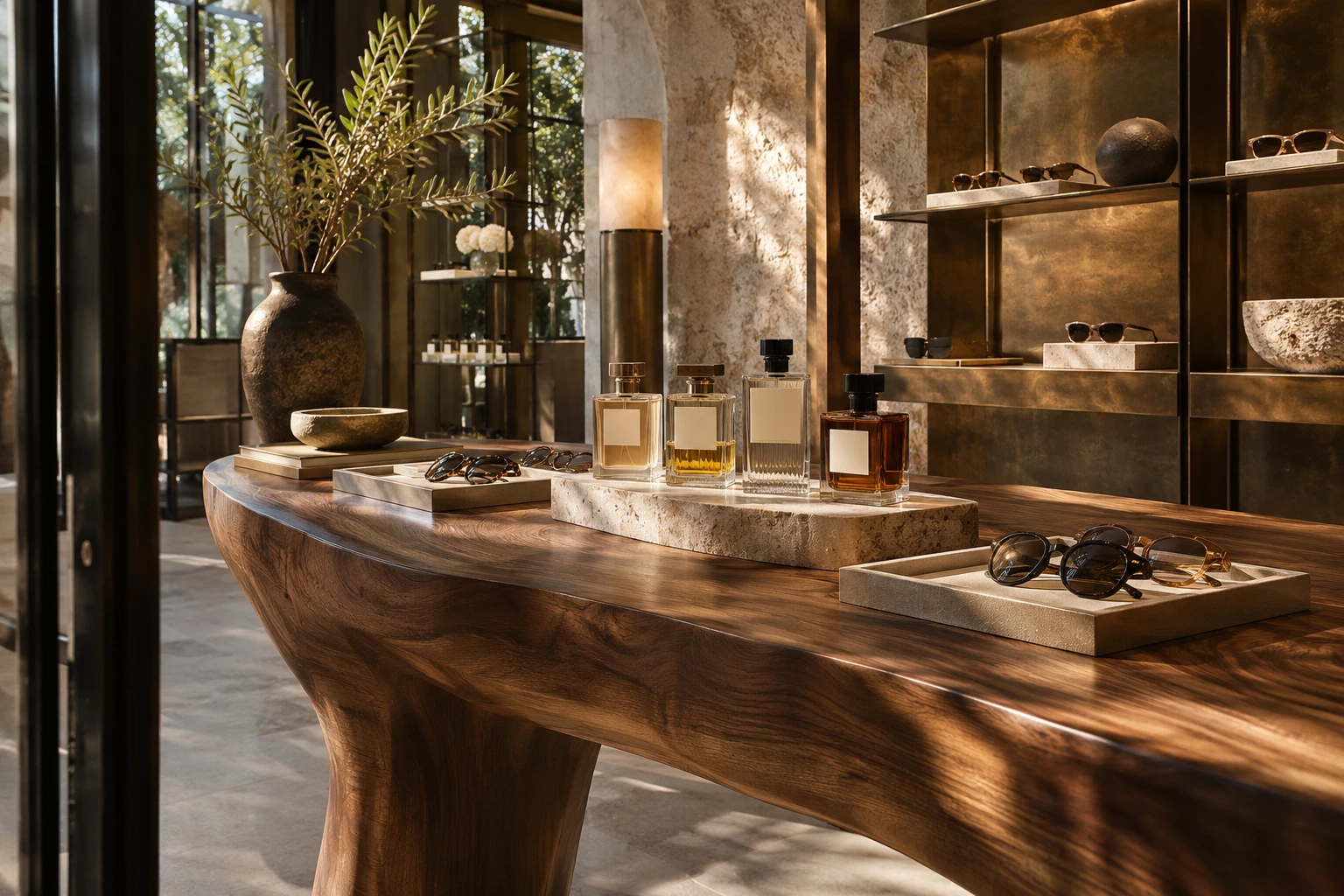
Give the trial a defined purpose
A pop-up can help a business examine a product range, service format or customer response before making a longer commitment. The most useful trial begins with a question that can be answered. That question should guide the location, length, staffing and presentation of the temporary offer.
Within the proposed Elite One programme, a pop-up might introduce a specialist product or bring a seasonal service into the house. Its relevance to the community should be clear. The format works best when members can understand what is being offered and why it may interest them.
Plan the experience properly
Temporary occupation still requires professional operating arrangements. Product storage, payments, deliveries, signage and customer support should be settled before opening. A short duration increases the importance of preparation because there is less time to recover from an unclear service process or missing stock.
The institution would also need an agreed approach to promotion and the use of shared space. A pop-up should fit the surrounding environment and respect the people passing through it. Staff should be able to explain the offer without creating pressure to stop or buy.
Turn observation into a decision
The operator can assess enquiries, purchases, product feedback and repeat interest against the original trial question. The house can examine member response and the effect on nearby services. These observations provide a more useful basis for discussion than attendance or visibility alone.
A successful trial could inform a later commercial conversation, with any longer occupation subject to selection and agreement. For members, the benefit is a changing but relevant offer. For businesses, it is an opportunity to learn within a professional setting with clearly defined expectations.