Small kitchens with a clear customer
Compact food production units could support a varied offer if demand, service routes and operating requirements are planned together.
2 min read
Begin with the occasion
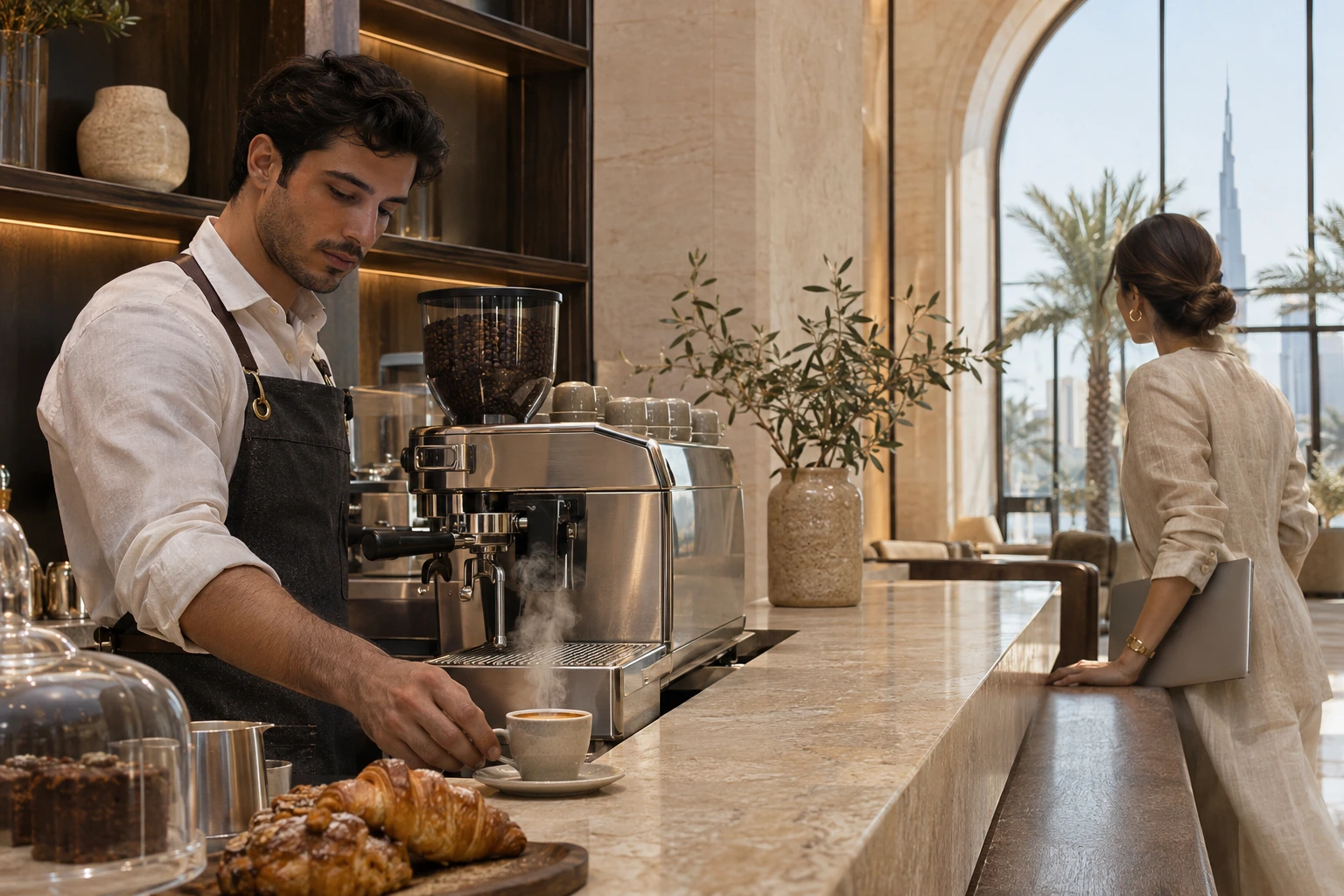
The proposed kitchen collection could allow smaller food operators to serve recognisable occasions within the house. A team lunch, a quick evening meal, a coffee break and a hosted gathering each call for a different format. Operators should define which occasions they can serve consistently. Menus such as bowls, grilled food, bakery products or desserts may be suitable starting points, subject to the facilities available. The goal is a coherent choice that members and guests can understand and order easily.
Treat logistics as part of quality
Kitchen planning needs to address extraction, power, water, storage, waste and cleaning before a menu is approved. Delivery and collection routes should fit the building’s circulation and the service standards of private areas. Packaging must protect the food and make orders easy to identify. An operator also needs a realistic production capacity for peak periods. Several small units can offer variety, but the shared systems need clear responsibility and sufficient support to keep every order dependable. Collection points should also allow members to confirm the order without creating a queue through a shared circulation route.
Match the commercial structure to use
Rental terms and any revenue participation should reflect the equipment, utilities and shared services provided. Initial assumptions can be tested through actual orders, repeat customers, collection times and waste levels. The app could offer a convenient ordering channel, while members retain a genuine choice of where and how to eat. For a food operator, the attraction is access to identifiable dining occasions within a professional community. A carefully managed kitchen format can make those occasions commercially accessible to a smaller brand.